Blog

The Role of Exercise Physiology in Managing Myelin Oligodendrocyte Glycoprotein Antibody-Associated Disease (MOGAD)

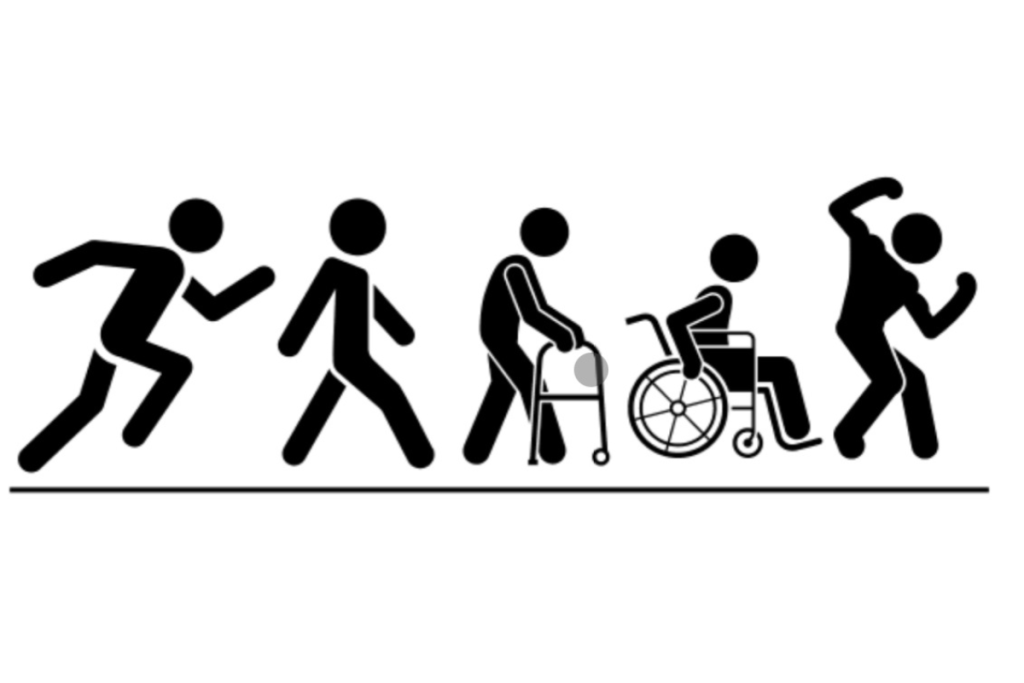
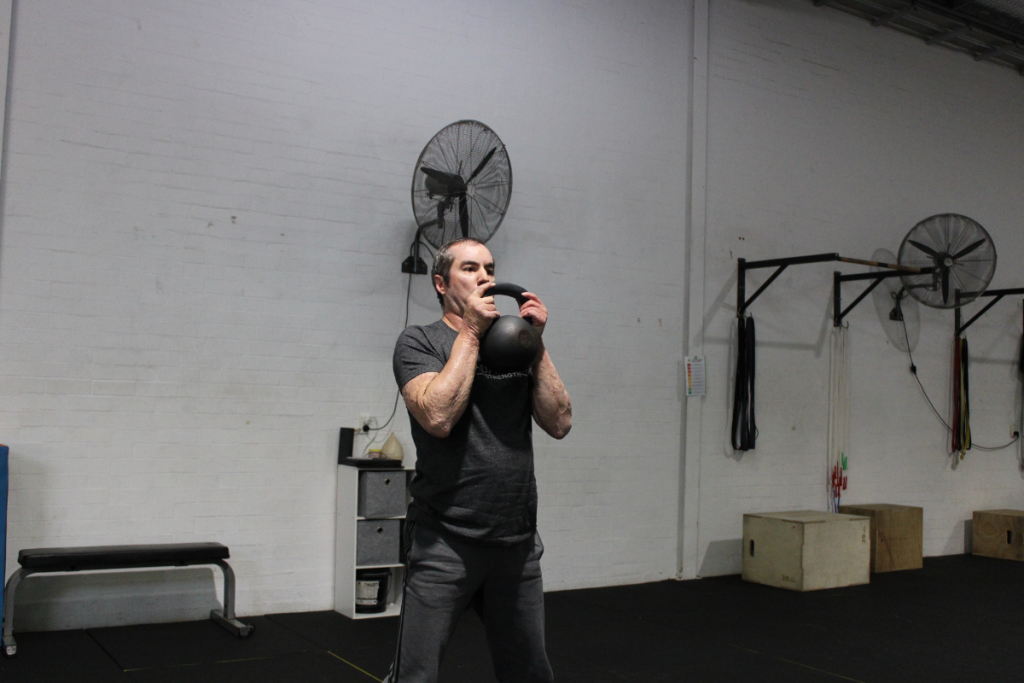
Myelin Oligodendrocyte Glycoprotein Antibody-Associated Disease (MOGAD) is a rare autoimmune disorder that affects the central nervous system, causing inflammation and damage to the myelin sheath, the protective covering of nerves. This condition can result in symptoms such as vision loss, weakness, and mobility issues. While medical treatment is essential, Exercise Physiology offers a complementary approach …
The Role of Exercise Physiology in Managing Myelin Oligodendrocyte Glycoprotein Antibody-Associated Disease (MOGAD) Read More »

The Role of Exercise Physiology in Neurological Rehabilitation

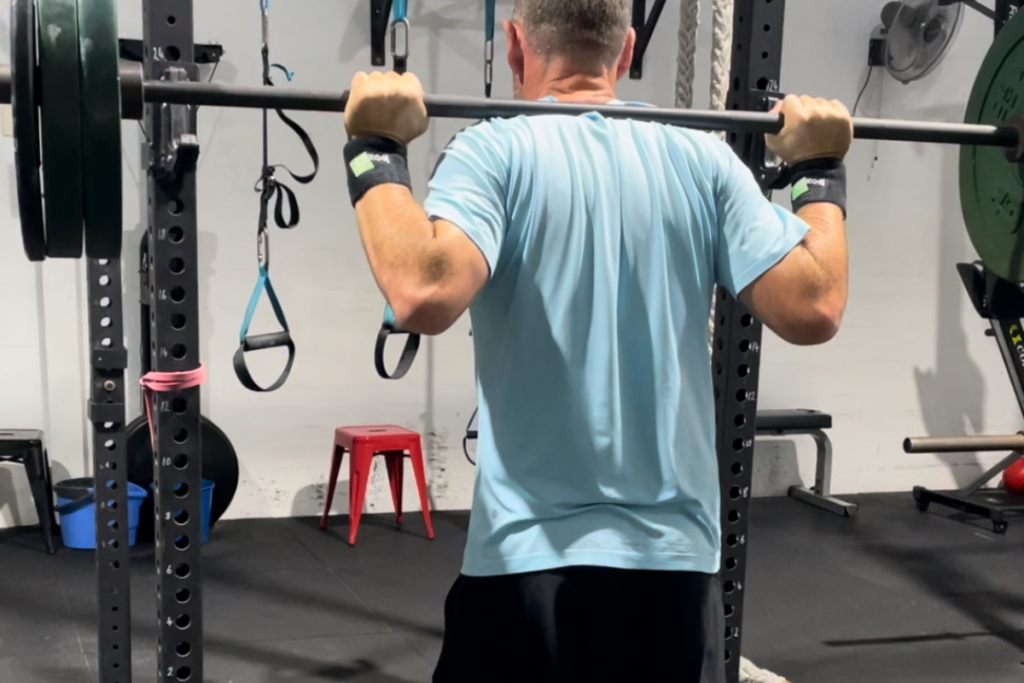
For individuals living with neurological conditions such as stroke, multiple sclerosis (MS), or Parkinson’s disease, physical function can be significantly impaired. However, Exercise Physiology offers a powerful tool for neurological rehabilitation. By developing individualized exercise programs, Accredited Exercise Physiologists (AEPs) help NDIS participants in Booragoon and beyond regain strength, mobility, and independence. How Exercise Physiology …

The Role of Exercise Physiology in Neurological Rehabilitation Read More »

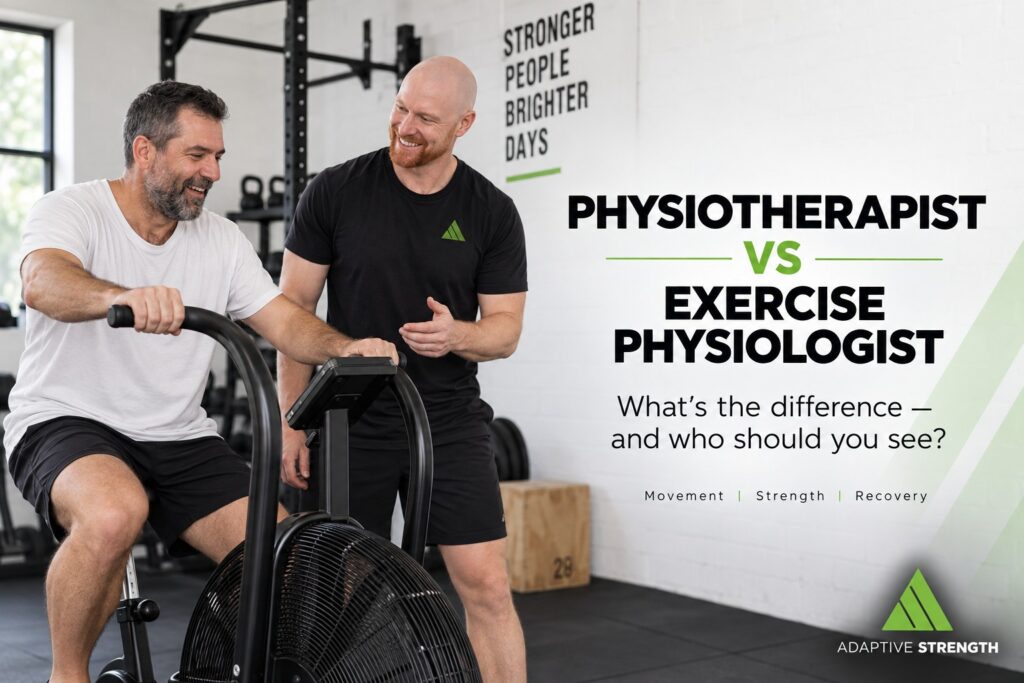
Physiotherapist vs Exercise Physiologist: What’s the Difference — and Who Should You See?

“Should I see a physiotherapist or an exercise physiologist?” We get asked this a lot. You’ve hurt your knee. Your back keeps flaring up. You’ve had surgery and want to get strong again. Or maybe you have osteoporosis, diabetes, cardiovascular disease or another health condition and you know exercise would help — but you’re not …

Physiotherapist vs Exercise Physiologist: What’s the Difference — and Who Should You See? Read More »

The Benefits of Exercise Physiology for People Living with Disability

Exercise Physiology plays a vital role in supporting individuals living with disabilities or chronic medical conditions by helping them improve their physical fitness and reduce the impact of their condition. Accredited Exercise Physiologists (AEPs) use exercise to enhance movement, strength, and overall well-being, allowing individuals to lead more independent and fulfilling lives. At Adaptive Strength …

The Benefits of Exercise Physiology for People Living with Disability Read More »

My GP Told Me to See an Exercise Physiologist – What Do They Do?

Exercise Physiologists, or Accredited Exercise Physiologists (AEPs), are university-trained health professionals who specialize in using clinical exercise to treat medical conditions, manage pain, and improve overall health. Whether you’re managing a chronic condition, recovering from an injury, or looking to prevent issues like heart disease and diabetes, an Exercise Physiologist can create a personalized plan …

My GP Told Me to See an Exercise Physiologist – What Do They Do? Read More »

Patience is a Virtue: The Long Game of Strength Training vs. Chasing Pop Fitness Trends

In today’s fast-paced world, the allure of instant results is more enticing than ever. The fitness industry, inundated with flashy advertisements and celebrity endorsements, often promotes quick fixes and trendy workouts that promise dramatic transformations overnight. However, when it comes to building genuine strength and achieving long-term health benefits, patience and consistency trump the ephemeral …

Patience is a Virtue: The Long Game of Strength Training vs. Chasing Pop Fitness Trends Read More »

Why a Zombie Apocalypse Would Never Happen (Or How Walking Could Save Your Life)

Let’s get one thing straight: the idea of a zombie apocalypse sounds terrifying. The living dead, roaming the earth, groaning for “braaains,” and most disturbingly… all the walking. That’s right, all that endless shuffling about. If there’s one thing that will put the brakes on a full-blown zombie apocalypse, it’s people’s absolute refusal to walk …

Why a Zombie Apocalypse Would Never Happen (Or How Walking Could Save Your Life) Read More »