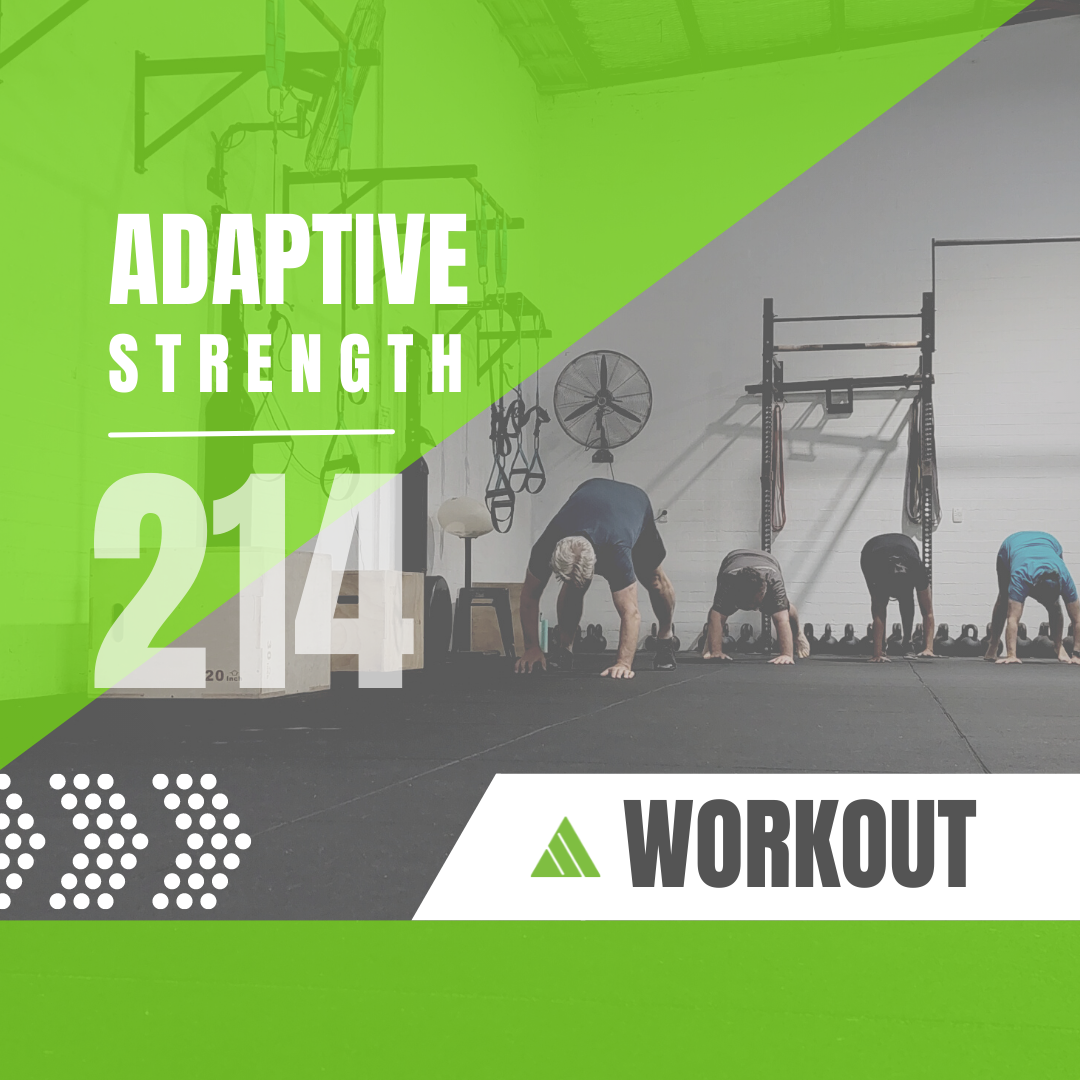
Single-Sided Strength and Core Stability Workout
Most daily activities and sporting movements are not performed with the body perfectly balanced.
We carry a shopping bag in one hand, lift an object from one side, step back onto one leg and reach or pull across the body. Running, throwing and changing direction also require each side of the body to produce and control force independently.
This full-body workout uses mostly single-sided exercises to challenge:
- Leg and hip strength
- Upper-body pulling strength
- Grip strength
- Core and trunk stability
- Balance and coordination
- Strength differences between sides
- Whole-body conditioning
The session combines:
- Single-arm rack reverse lunges
- Single-arm rows
- Single-arm kettlebell swings
- Suitcase carries
- SkiErg conditioning
The purpose is not simply to make one side work at a time. The uneven loading requires your trunk to keep you balanced and controlled while your arms and legs produce force.
Workout Overview
Complete three to five rounds:
A1. Single-Arm Rack Reverse Lunge
Complete 5 repetitions on each side.
A2. Single-Arm Row
Complete 5 repetitions on each side.
A3. Single-Arm Kettlebell Swing
Complete 5 repetitions on each side.
A4. Suitcase Carry
Carry the weight for 20 metres on each side.
A5. SkiErg
Complete your selected SkiErg interval.
The original workout was designed to be completed in 30 minutes or less.
Suggested SkiErg Interval
The original workout lists the SkiErg but does not specify a time, distance or calorie target.
A practical starting point would be:
- Beginner or returning to training: 20 seconds
- Intermediate: 30 seconds
- Experienced: 40 seconds or a suitable calorie target
The interval should raise your breathing rate without leaving you unable to maintain good technique in the following round.
Choose Your Starting Level
Beginner or Returning to Training
Complete 3 rounds.
Use manageable weights, move at a controlled pace and rest for approximately 60–90 seconds between rounds when needed.
Some of the exercises, particularly the single-arm swing, may need to be replaced if you have not learned them previously.
Intermediate
Complete 4 rounds.
Use weights that challenge you while allowing each side to move with similar control.
Experienced
Complete up to 5 rounds.
Increase the challenge through appropriate load and movement quality rather than trying to complete the session as quickly as possible.
This Is One Workout, Not a Complete Training Program
This article provides one workout. It is not a complete training program.
A workout tells you what to do during one training session.
A program looks at the bigger picture. It determines:
- Which exercises are appropriate for you
- Which areas of your strength and fitness need the most attention
- How often you should train
- How your sessions fit together during the week
- How much weight and training volume you should begin with
- How training should fit around sport, work and other activities
- When exercises should be progressed
- How much recovery you need
- When the program should be modified
- Whether your training is moving you towards your goals
This workout has a strong emphasis on single-sided strength, pulling, carrying and trunk stability.
A complete program would also consider whether you need more pushing strength, bilateral leg strength, overhead strength, power, mobility, aerobic conditioning or recovery work elsewhere in your training week.
The workout provides today’s session. Your program determines how that session contributes to your longer-term progress.
Who Is This Workout For?
This workout may suit someone who:
- Has previous experience with kettlebells or dumbbells
- Wants to develop practical full-body strength
- Wants to improve balance and control between sides
- Is comfortable performing lunges, rows and kettlebell swings
- Wants to combine strength and conditioning
- Has approximately 30 minutes available
Someone new to strength training can still use the broad structure, but the single-arm swing and rack reverse lunge may require coaching or a more suitable starting variation.
Someone currently managing an injury or pain may need individual guidance about the exercises, load, range of movement and total training volume.
Equipment You Will Need
You will need:
- One kettlebell or dumbbell
- A SkiErg
- Space for a 20-metre carry
- A timer
Depending on the single-arm row variation, you may also use a bench, box or stable support.
Choose a weight you can control on both sides.
It is normal for one side to initially feel stronger or more coordinated. However, the weight should not be so heavy that you need to twist, lean or use excessive momentum to complete the repetitions.
Why Use Single-Sided Exercises?
Single-sided exercises are often described as unilateral exercises.
They involve one arm or one leg taking more of the load or responsibility for the movement.
They can help develop:
- Strength on each side of the body
- Balance and coordination
- Awareness of differences between sides
- Core and trunk stability
- Control under uneven loads
- Confidence using one side independently
A single-sided exercise does not automatically correct every imbalance. Small differences between sides are normal, and not every difference is a problem.
The value comes from giving each side an opportunity to work while you maintain a strong and controlled body position.
Single-sided loading also reflects many real-life situations more closely than always holding equal weights in both hands.
A1. Single-Arm Rack Reverse Lunge
Complete five repetitions on each side.
Hold a kettlebell or dumbbell in the rack position near one shoulder while stepping backwards into a reverse lunge.
The original workout does not specify whether the weight should be held on the same or opposite side as the working leg. Both versions can be useful, but they create slightly different balance and trunk-stability demands.
Follow the version prescribed by your coach or use the position in which you can maintain the best control.
What Does the Single-Arm Rack Reverse Lunge Develop?
This exercise can help develop:
- Quadriceps and glute strength
- Single-leg strength
- Hip and knee control
- Balance and coordination
- Trunk stability under an uneven load
- Strength through the upper back and rack position
- The ability to step and recover your position
The reverse lunge requires one leg to absorb and produce force while the body remains balanced.
Holding the weight on one side adds another challenge. Your trunk must prevent the uneven load from pulling you sideways or causing excessive rotation.
Daily-Life and Sporting Carryover
The qualities developed through reverse lunges may support activities such as:
- Stepping backwards safely
- Lowering yourself towards the ground
- Getting down to perform household tasks
- Gardening
- Walking on uneven surfaces
- Regaining your balance after a step
- Carrying an object while moving
Single-leg strength is also important in many sporting movements, including:
- Running
- Accelerating
- Decelerating
- Jumping
- Landing
- Changing direction
- Reaching into a low position
The exercise does not replace practising those sporting skills. It helps develop some of the leg strength, balance and trunk control that support them.
Coaching Tips
Focus on:
- Beginning from a stable standing position
- Keeping the weight secure in the rack position
- Stepping backwards far enough to create a comfortable base
- Keeping the front foot firmly planted
- Allowing the front knee to track in the same direction as the toes
- Lowering under control
- Driving through the front foot to return to standing
- Keeping your trunk tall without leaning away from the weight
Possible alternatives include:
- Bodyweight reverse lunges
- Supported reverse lunges
- Split squats
- Sit-to-stands
- Squats to a box
- Holding the weight in a suitcase position
- Using a shallower range of movement
A2. Single-Arm Row
Complete five repetitions on each side.
The row can be performed from several positions, including supported on a bench, in a split stance or from a hinged standing position.
Choose a variation that allows you to pull the weight with control while keeping your trunk stable.
What Does the Single-Arm Row Develop?
Single-arm rows can help develop:
- Upper-back strength
- Lat strength
- Arm and grip strength
- Shoulder-blade control
- Trunk stability
- Control under an uneven load
- Strength differences between sides
Because the weight is held in one hand, your trunk must resist being pulled towards the working side.
A less-supported row generally creates a greater trunk-stability demand. A supported row may allow you to focus more directly on upper-body pulling strength.
Daily-Life and Sporting Carryover
Pulling strength is useful when:
- Opening a heavy door
- Pulling an object towards you
- Moving furniture or equipment
- Starting a lawnmower or similar equipment
- Handling bags and luggage
- Climbing or holding onto a support
Upper-back and pulling strength may also support:
- Swimming
- Rowing
- Racquet sports
- Climbing
- Grappling
- Throwing
- Contact sports
A single-arm row will not reproduce the exact movement of these activities. It develops general pulling strength and shoulder control that may contribute to them.
Coaching Tips
Focus on:
- Establishing a stable starting position
- Keeping your feet firmly planted
- Maintaining a controlled trunk position
- Pulling the weight towards your hip or lower ribs
- Allowing the shoulder blade to move naturally
- Avoiding excessive twisting
- Lowering the weight under control
- Using a similar controlled range on each side
Possible alternatives include:
- Bench-supported dumbbell rows
- Cable rows
- Resistance-band rows
- TRX rows
- Chest-supported rows
- Two-arm dumbbell or kettlebell rows
A3. Single-Arm Kettlebell Swing
Complete five repetitions on each side.
The single-arm swing is an explosive hip-hinge exercise. The hips generate the force that moves the kettlebell, while the arm guides the weight.
It is not an arm raise or a squat.
This exercise requires appropriate kettlebell technique. Someone who has not already learned the swing should begin with a hip-hinge or deadlift variation rather than trying to learn it while fatigued.
What Does the Single-Arm Swing Develop?
Single-arm swings can help develop:
- Hip power
- Glute and hamstring strength
- Hip-hinge technique
- Grip strength
- Whole-body coordination
- Trunk stability
- Conditioning
- Control against unwanted rotation
The uneven load creates a rotational force. Your trunk must work to prevent the kettlebell from turning your body towards one side.
Daily-Life and Sporting Carryover
The hip strength and power developed through swings may support physical tasks involving:
- Lifting from a bent position
- Moving quickly from the hips
- Handling equipment
- Repeated lifting tasks
- Producing force while maintaining trunk control
Hip power is also important in many sporting actions, including:
- Sprinting
- Jumping
- Changing direction
- Throwing
- Striking
- Swinging a racquet or club
The kettlebell swing develops general hip power and conditioning. Sporting skill still needs to be developed through practice of the sport itself.
Coaching Tips
Focus on:
- Beginning with the kettlebell slightly in front of you
- Hinging through the hips rather than squatting down
- Keeping the kettlebell close during the backswing
- Driving through the hips
- Allowing the kettlebell to float rather than lifting it with the arm
- Keeping your trunk controlled
- Avoiding excessive twisting
- Finishing tall without leaning backwards
- Returning the weight safely to the floor
Possible alternatives include:
- Kettlebell deadlifts
- Suitcase deadlifts
- Two-handed swings
- Cable pull-throughs
- Hip thrusts
- Glute bridges
A two-handed swing may be a suitable step before progressing to the single-arm version.
A4. Suitcase Carry
Carry the weight for 20 metres on one side, then change sides and repeat.
The suitcase carry is one of the clearest examples of strength training that resembles a common daily task.
You walk while holding a weight in one hand, keeping your body tall and controlled.
What Does the Suitcase Carry Develop?
Suitcase carries can help develop:
- Grip strength
- Core and trunk stability
- Shoulder stability
- Walking control
- Posture under load
- The ability to resist sideways bending
- The ability to manage an uneven load
The trunk’s ability to resist being pulled sideways is called anti-lateral flexion.
The uneven weight may also challenge your ability to resist rotation as you walk.
Daily-Life and Sporting Carryover
Suitcase carries may support activities such as:
- Carrying shopping bags
- Carrying luggage
- Carrying a toolbox
- Moving equipment at work
- Carrying a child on one side
- Walking while holding an uneven object
Grip and trunk stability are also useful in sports involving:
- Running with equipment
- Contact
- Grappling
- Racquet or club control
- Throwing
- Climbing
- Maintaining balance under external force
The purpose is not to lean away from the weight. The goal is to remain tall and walk naturally while controlling the load.
Coaching Tips
Focus on:
- Standing tall before beginning
- Keeping your shoulders reasonably level
- Avoiding leaning away from the weight
- Keeping your ribs and pelvis controlled
- Walking with natural, measured steps
- Maintaining a secure grip
- Turning carefully
- Placing the weight down with control
Possible alternatives include:
- Using a lighter weight
- Carrying for a shorter distance
- Holding weights in both hands
- Carrying the weight in the rack position
- Marching in place
- Using a shorter walking route with additional turns
A5. SkiErg
Complete your selected interval before beginning the next round.
The SkiErg uses a repeated downward pulling action supported by the trunk, hips and legs.
It can be used for short, higher-intensity efforts or longer, more controlled aerobic work.
Within this workout, it provides a conditioning element after the strength exercises.
What Does the SkiErg Develop?
The SkiErg can help develop:
- Cardiovascular fitness
- Upper-body pulling endurance
- Triceps and lat endurance
- Trunk control
- Coordination between the arms, trunk and legs
- Whole-body work capacity
It is also a low-impact conditioning option because it does not involve running or repeated landing.
Daily-Life and Sporting Carryover
The SkiErg does not directly reproduce most everyday tasks, but improving cardiovascular fitness can support:
- Walking longer distances
- Climbing stairs
- Completing physical work
- Recovering between repeated efforts
- Participating in recreational activities with less fatigue
Its pulling pattern may also be relevant to:
- Cross-country skiing
- Swimming
- Paddling
- Climbing
- Repeated upper-body sporting actions
The main purpose in this session is to challenge conditioning while requiring you to maintain an organised whole-body rhythm.
SkiErg Coaching Tips
Focus on:
- Beginning each pull from a tall position
- Using the trunk and hips rather than only the arms
- Pulling the handles down smoothly
- Keeping the movement rhythmical
- Allowing the handles to return under control
- Selecting an effort you can repeat across all rounds
Avoid making the first interval so hard that your pace or strength technique deteriorates throughout the remainder of the workout.
Why Do These Exercises Work Well Together?
The workout combines four different forms of single-sided strength:
- A single-leg movement under an uneven rack load
- A single-arm upper-body pull
- A single-arm explosive hip movement
- A one-sided loaded carry
The SkiErg then adds whole-body conditioning.
Together, the exercises challenge:
- Lower-body strength
- Hip power
- Upper-body pulling strength
- Grip strength
- Balance
- Coordination
- Trunk stability
- Cardiovascular fitness
There is also a consistent theme throughout the workout: producing force while preventing the body from being pulled, rotated or shifted out of position.
However, this session does not contain every movement or physical quality needed in a complete program.
There is no significant horizontal or overhead pushing exercise, and the workout has a relatively strong emphasis on pulling, hinging and single-sided loading.
That is not necessarily a problem for one session. The rest of the training program should provide the appropriate balance.
How Hard Should the Workout Feel?
The strength exercises should feel challenging, but you should remain in control of the weight and your body position.
It is normal for your breathing rate and muscular fatigue to increase as the rounds progress.
Reduce the weight, repetitions or number of rounds if:
- You begin leaning or twisting excessively
- Your balance deteriorates
- One side becomes noticeably less controlled
- You cannot maintain the kettlebell rack position
- You begin lifting the swing primarily with your arm
- Your row becomes dominated by momentum
- You cannot maintain your posture during the carry
- Your strength technique deteriorates after the SkiErg
The SkiErg should increase the conditioning demand without turning every following exercise into a rushed effort.
Completing three controlled rounds is generally more useful than forcing yourself through five rounds with poor movement quality.
How Can You Progress the Workout?
Progress one variable at a time.
You could:
- Increase from three rounds to four
- Increase from four rounds to five
- Add a small amount of weight to one exercise
- Improve the control of each repetition
- Increase the suitcase-carry distance
- Use a more challenging lunge or row variation
- Slightly increase the SkiErg interval
- Complete the same SkiErg interval at a more consistent output
- Reduce rest periods slightly
You do not need to increase the load on every exercise during the same session.
You may also find that different exercises progress at different rates. Your rowing strength may improve faster than your lunge control, or your suitcase carry may progress faster on one side.
Progress should reflect the quality of your previous training rather than simply your ability to finish the session.
How Adaptive Strength Builds an Individualised Training Program
At Adaptive Strength, we do not simply give every member the same workout of the day.
Each member follows an individualised strength-training program based on their:
- Goals
- Current strength and fitness
- Training experience
- Injury and medical history
- Movement ability
- Weekly availability
- Sporting and recreational activities
- Response to previous training
Your sessions form part of a planned program rather than a collection of unrelated workouts.
A complete program considers:
- Which exercises are most appropriate for you
- Which physical qualities need the greatest attention
- How your training sessions fit together across the week
- How much training you can currently tolerate and recover from
- How your strength work fits around sport, work and other activities
- When an exercise, weight or training volume should be progressed
- When your program needs to be modified
Two members may train beside each other while following completely different programs because they have different goals, starting points and training histories.
Our coaches supervise each session, monitor how you are moving and make adjustments when required. Your program can then gradually progress as your strength, confidence and physical capacity improve.
The value is not simply being given a list of exercises.
It is having a program designed for you, coached properly and progressed over time.
Should You Try This Workout?
This workout may be useful if you are familiar with reverse lunges, single-arm rows and kettlebell swings and can choose suitable weights and variations.
However, one online workout cannot assess your technique, injury history, differences between sides, current training capacity or how the session should fit into the rest of your week.
That is the difference between completing a workout and following an individualised training program.
Looking for a More Personalised Approach?
Adaptive Strength provides individualised strength programs within a supportive, supervised small-group training environment in Booragoon.
Your program is built around your:
- Current ability
- Training experience
- Goals
- Injury history
- Exercise preferences
- Weekly schedule
Our strength coaches, physiotherapists and Exercise Physiologist work together to help members progress from their current starting point towards greater strength, confidence and long-term physical capacity.
Whether you are returning after an injury, getting back into exercise or looking for a more structured approach to training, the first step is an initial consultation and movement assessment.
Book a quick chat with Adaptive Strength to find out whether our approach is right for you.